Handicap Ramp Replacement in Wilmington, NC
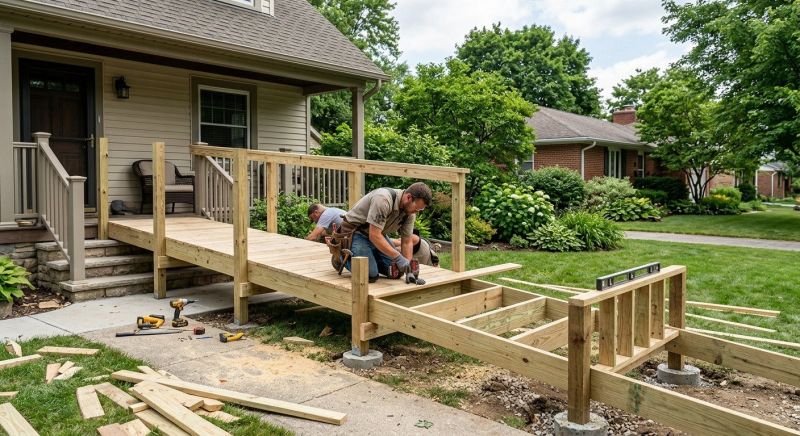
Handicap ramp replacement services involve removing existing accessible ramps and installing new, safer, and more durable alternatives. These projects typically include replacing worn or outdated ramps at residential properties, ensuring compliance with accessibility standards, and improving safety for individuals with mobility challenges. Property owners often request this service when current ramps show signs of damage, become unsafe, or no longer meet the specific needs of the user, such as changes in mobility requirements or building codes.
Before requesting handicap ramp replacement, property owners usually want to understand the scope of work involved, including the materials used, the design options available, and any necessary modifications to the existing structure or property. It is also helpful to consider the accessibility features needed, such as handrails, non-slip surfaces, or specific slope requirements, to ensure the new ramp provides safe and convenient access. Clarifying these details can help in planning a replacement that best suits the property and the needs of its users.
Many property owners in Wilmington, NC look into Handicap Ramp Replacement for repairs, replacements, upgrades, and appearance-related improvements.
Accessible Entry Solutions
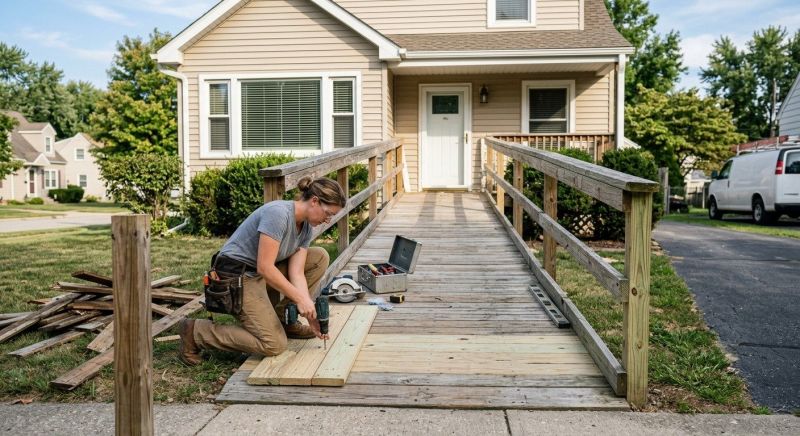
Replacing worn or damaged handicap ramps to ensure safe and reliable access.
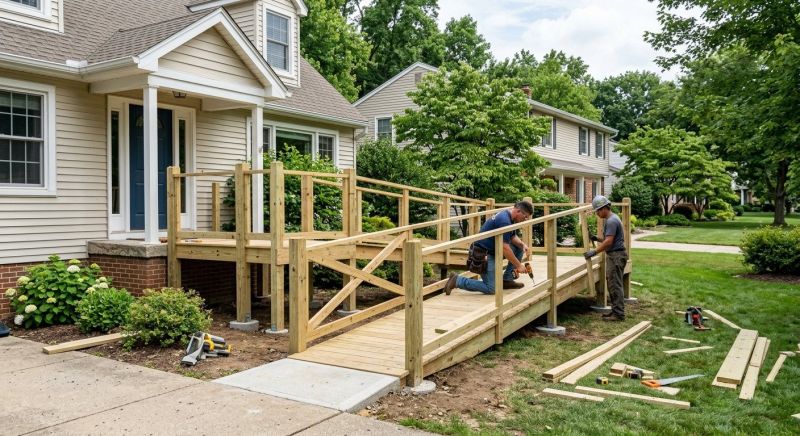
Custom Ramp Installations
Designing and installing ramps that meet specific mobility needs and property layouts.
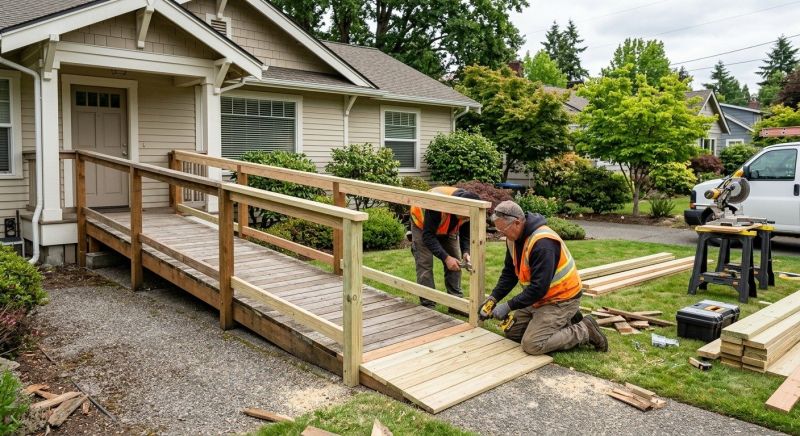
Safety And Compliance Upgrades
Upgrading existing ramps to meet current safety standards and improve durability.
Handicap Ramp Replacement in Wilmington, NC
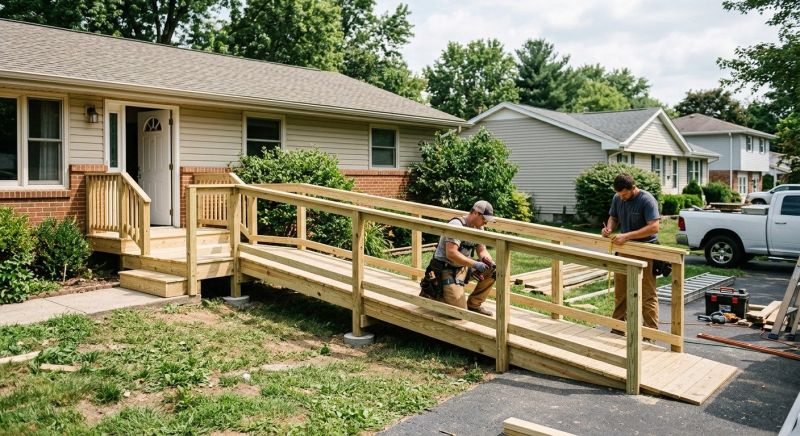
Handicap ramp replacement services involve removing existing accessible ramps and installing new, safer, and more durable alternatives. These projects typically include replacing worn or outdated ramps at residential properties, ensuring compliance with accessibility standards, and improving safety for individuals with mobility challenges. Property owners often request this service when current ramps show signs of damage, become unsafe, or no longer meet the specific needs of the user, such as changes in mobility requirements or building codes.
Before requesting handicap ramp replacement, property owners usually want to understand the scope of work involved, including the materials used, the design options available, and any necessary modifications to the existing structure or property. It is also helpful to consider the accessibility features needed, such as handrails, non-slip surfaces, or specific slope requirements, to ensure the new ramp provides safe and convenient access. Clarifying these details can help in planning a replacement that best suits the property and the needs of its users.
Many property owners in Wilmington, NC look into Handicap Ramp Replacement for repairs, replacements, upgrades, and appearance-related improvements.
Common Handicap Ramp Replacement Jobs
Handicap Ramp Replacement involves removing old or damaged ramps and installing new, accessible solutions.
Residential ramp upgrades improve safety and ease of entry for individuals with mobility challenges.
Commercial property ramp replacement ensures compliance with accessibility standards and enhances customer access.
Custom ramp solutions are designed to fit specific property layouts and user needs.
Material upgrades include replacing worn surfaces with durable, slip-resistant options.
Structural repairs address foundation issues to support safe and reliable wheelchair access.
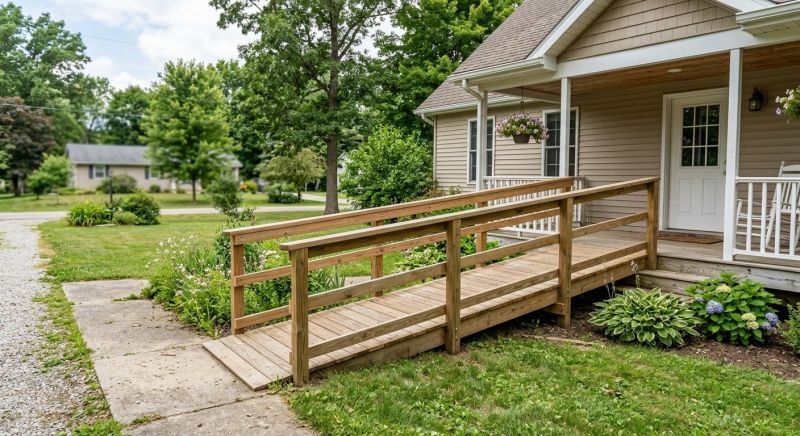
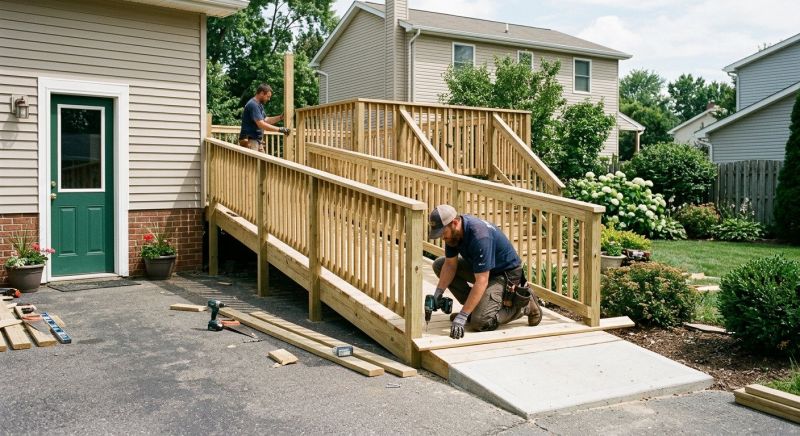
Handicap Ramp Replacement Questions
What types of handicap ramp replacement services are available? Services include replacing worn or damaged ramps, upgrading to ADA-compliant designs, and installing new ramps to improve accessibility on residential and commercial properties.
When should a handicap ramp be replaced? Replacement is recommended when the existing ramp is structurally compromised, no longer meets accessibility standards, or no longer suits the property's needs.
What materials are used for handicap ramp replacements? Common materials include pressure-treated wood, aluminum, and composite materials, chosen for durability and safety.
How can property owners ensure their new ramp meets accessibility requirements? Ensuring compliance involves selecting designs that adhere to local accessibility codes and standards, with proper slope, width, and handrail specifications.
Request Handicap Ramp Replacement in Wilmington, NC
Use the quote form on this page to share the basics of your project and request more information for the type of work you need.